


“If you want to go fast, go alone. If you want to go far, go together.” Do you believe in the power of community? It’s like a tree, without roots a tree can’t survive. In such a way, if you want to grow, you have to respect your community. That will create a strong foundation for your future. The black history colors represent the community’s resilience, identity, and heritage. That was built through long struggle, courage, and sacrifice.
Like a neighborhood street on a warm afternoon in Atlanta, where children play and giggle under the sunlight. Elders sit on the front porches and share stories! Magnolia fragrance floats through the blowing wind. In ancient African villages, there was no professional architecture. Even though they built a cultural community with love and respect. What are the Black history facts that shaped resilient communities over time?
Black History Colors: Symbolism of Black Culture
Culture and heritage pass through generations like the river. But that was not so smooth for the black community. They built the community and fought for stability and equality. They carried their struggle forward to build their identity. Over time, their endeavour flourished through cultural activities, business, art, and fashion.
Famous Black historians studied and researched Black history. They kept records for future generations. For instance, we can remember Carter G. Woodson. He is the founder of “Black History Month”. The Woodson Library has a large collection of Black History.
Black history colors are a significant part of black culture and heritage. They came from the historical Pan-African Flag. Marcus Garvey designed the flag in 1920 as a symbol of African Unity. Universal Negro Improvement Association (UNIA) and the African Communities League (ACL) adopted it. Red, black, and green are the Pan-African colors. These are symbols of African’s liberation movement. These black pride colors, including orange, are the “Black History Month Colors”.
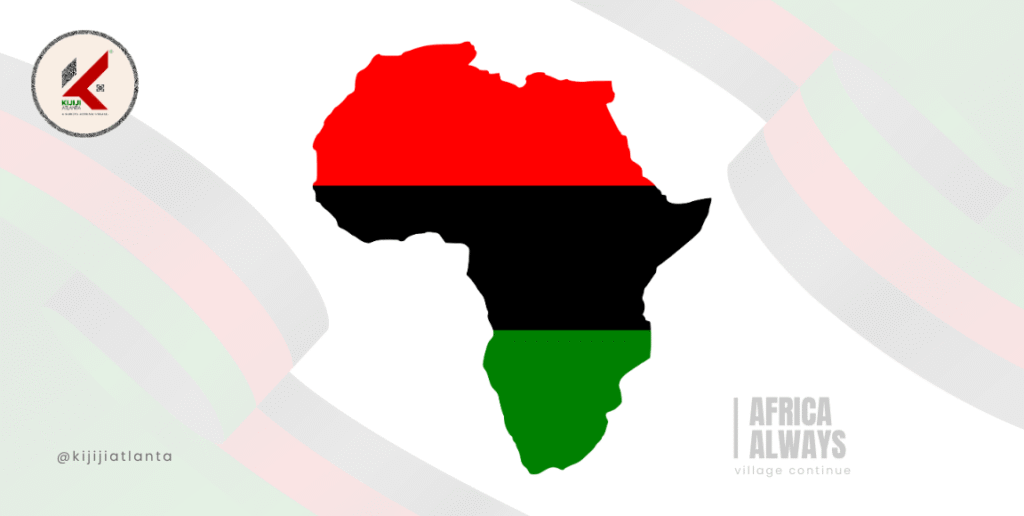
What Do Red, Black, and Green Colors Represent?
The Pan-African Flag colors become a symbol of African American traditions. These colors convey black people’s struggle, identity, and resilience. The red, black, and green are the symbols of the black neighbourhood to the world.
Red- The Color of Sacrifice and Strength
Red expresses blood and the lives sacrificed in the long struggle. It honours the great people who spoke for freedom and equality. The black people who changed the world. They challenged injustice, organized, and marched in the rally. They remained resilient in the difficult times. The hardship they faced strengthened them. That builds determination in today’s global black community.
Black- The Color of Identity and Heritage
Black color portrays Black people, their identity, unity, and spirit. People of African ancestry worldwide have a strong cultural legacy. People live in culture. A person without culture is like a zebra without stripes. Black communities showed unique creativity in art, music, literature, and fashion. This uniqueness is reflected in the design of buildings, streets, and neighbourhood spaces.
Green – The Color of Progress and Hope
Green signifies the land, Africa’s natural resources, and the hope for prosperity. It connects their efforts to create better spaces for the next generations. Green reminds us to keep our communities growing. That encouraged them to build businesses, schools, and universities to support their children.
The colors of African unity gave courage yesterday. Still, they are an inspiration to today’s generation, too. The colors red, black, and green are symbols of global black identity. For instance, the Pan-African Movement drawings showcase the message of unity against slavery. The black history colors connect to people, culture, and the spaces where they belong. Let’s discover how they inspire modern architecture and neighbourhood design!
The Power of Community in the African Background
Community is the centre of Black culture. Families, neighbours, churches, and local organisations build a community. Neighbourhood brings the community people together. It teaches us how to live and help others in difficult times. The streets people walk on or the parks where the children play, every place has a role in our everyday lives. The homes we live in also shape the neighbourhood.
Architecture played a significant role in the neighbourhood building through community design. Homes’ front porches, churches’ pillars, and city streets reflect the black heritage. These places show how architectural design can encourage living together and grow. Architects can rebuild heritage designs to preserve the history of Black civilization.
Architecture as Cultural Expression in the Black History Background
What do you think about architecture? Is it only building structures? In modern architecture, it’s often measured by only commercial value. But in Black culture, we believe in neighbourhood. We design for the people. The way they live and interact with each other. Neighbourhood design connects people with care. They support everyone who lives there.
Community design-based architects ensure some important features in living spaces. For example, pedestrian-friendly streets, shared common spaces, and community centres in the neighbourhood. It also includes parks, green areas, and local shops and businesses. These elements enhance sharing and a sense of belonging.

Inspiration of Black History Colors in Architecture
Architects get inspiration from the colors of Black history. Their designs reflect a long struggle and Black unity. They mixed community design and motifs with modern architectural ideas. The designs show respect towards heritage. At a time, introduce the Black legacy to the next generations.
Community designs often prefer bricks in buildings. Red, as a symbol of struggle and equality, appears strongly there. For example, brick-made historic schools and churches. That gives a strong and durable feel. It signifies resilience and strength. Architects often use black tones, village motifs, and colors. They use stone and wood-made art pieces. That symbolizes historical village culture and lifestyle.
Naturally, green indicates the land and openness to progress. It connects to a healthy environment and sustainability. Architects use green roofs like the shade of baobab trees. They use community gardens and parks as open spaces. Besides, they recreate village paths with the tree-lined streets. They design energy-efficient buildings. That can ensure a safe environment for future generations.
Building Stronger Communities for a Better Future
The spirit of Black history colors is carrying over from the past to the present. Community-based designs develop and foster neighbourhoods. People can’t live alone. Community living helps people grow together. Architecture can help to build a stronger neighbourhood. They can recreate spaces where people can feel welcoming and valued.KIJIJI Atlanta doesn’t design buildings only. They create neighbourhoods. Their designers build spaces to develop a community. So people who belong there feel connected. KIJIJI Atlanta celebrates Black history colors through its designs. That tells the story of African culture and heritage.